
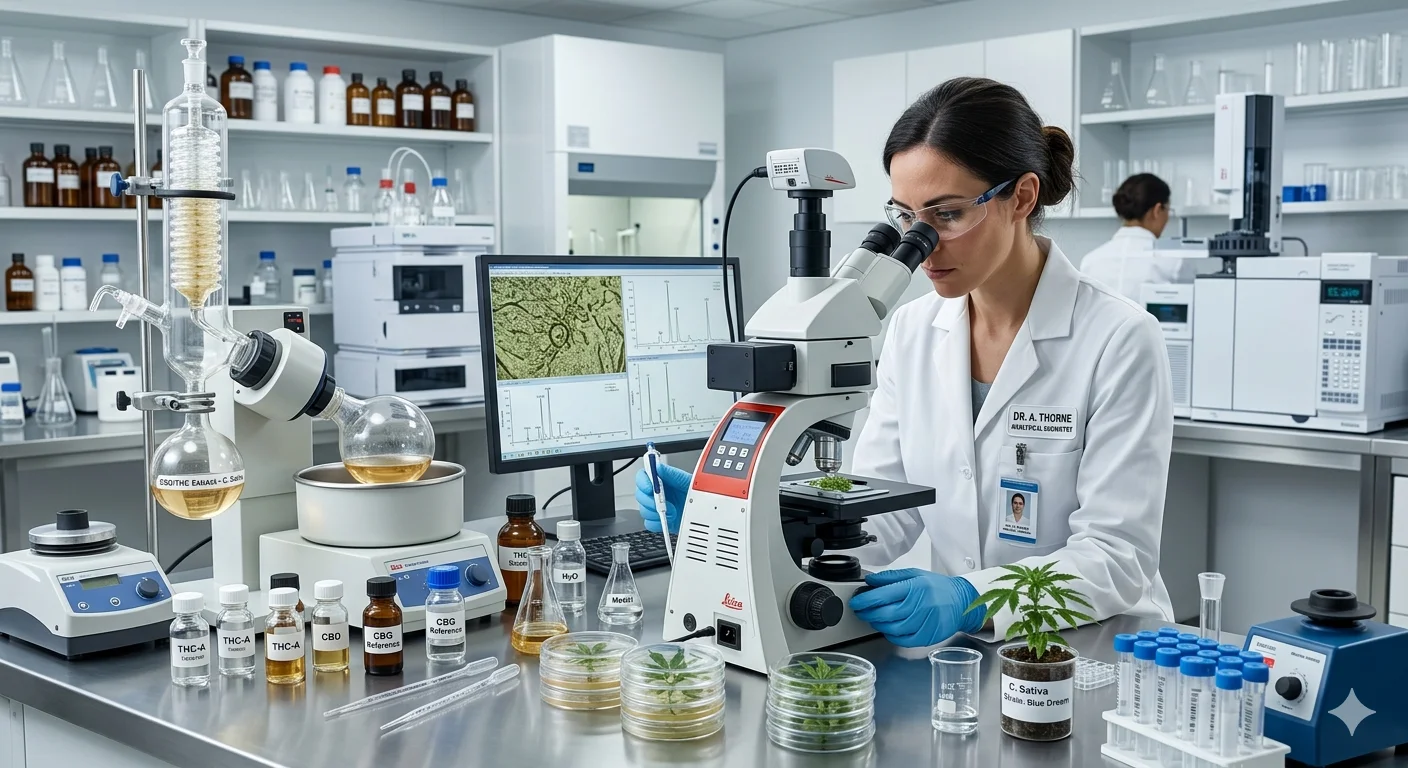
Medicine is shifting. What was once fringe — plant‑based therapies, integrative care, and natural healing — is now being discussed in mainstream medical circles. At the heart of this transformation are pioneers who challenge conventional thinking to explore how our bodies interact with the plant cannabis and the mysterious system it influences inside us.
One name that comes up in cannabis medicine circles is Dr. Sherrill Ann Knox — though much of what’s publicly available centers around the Knox family of doctors as leaders in cannabinoid medicine and what they call “endocannabinology.”
This blog explains who they are, what endocannabinology means, how cannabis interacts with the body, and what it could mean for health — presented in a human‑friendly, informative style.
Understanding the Knox Docs: Who They Are
When you search for Dr. Sherrill Ann Knox, there isn’t a widely circulated medical biography by that exact name in public sources. However, there is a well‑known medical family — the Knox Docs — often discussed as pioneers in cannabis medicine.
The Knox family includes multiple medical doctors with deep involvement in integrative cannabis care:
- Dr. Janice Knox – a board‑certified anesthesiologist who transitioned to studying cannabis as medicine after decades in conventional medical practice.
- Dr. David Knox – an emergency physician with decades of clinical experience, who later joined the cannabis medicine field.
- Dr. Jessica Knox – a preventive medicine physician and public health specialist with leadership roles in the cannabis medical community.
- Dr. Rachel Knox – a family and integrative medicine physician who helped define endocannabinology as a clinical specialty.
Together, they are known for founding medical clinics and education programs focused on cannabinoid medicine and for coining the term endocannabinology — the study of the body’s endocannabinoid system and how to support it clinically.
What Is Endocannabinology?
Before we dive deeper into the Knox Docs approach, you need to know about the endocannabinoid system (ECS).
The ECS is a complex cell‑signaling system found throughout the human body. Its primary function is to regulate and maintain balance (or homeostasis) across multiple physiological processes — including mood, immunity, sleep, pain perception, inflammation, and more.
Endocannabinology refers to: Read more:Unexpected Spotlight: Who Is Jan Hirtz at Liberty University
The study of the function, dysfunction, and clinical modulation of the endocannabinoid system.
It looks at how to support this system through targeted therapies, botanical compounds like cannabinoids, lifestyle, nutrition, and integrative care.
In plain terms, it’s a deeper, science‑based view of how our bodies manage internal balance — and how certain plant compounds may interact with that system.
Cannabis & the Body: A New Lens on Healing
Cannabis contains natural compounds — most notably THC (tetrahydrocannabinol) and CBD (cannabidiol) — that interact with our ECS. These interactions can influence everything from pain perception to inflammation and stress responses.
Why It Matters
In traditional Western medicine, cannabis was often dismissed as a “drug of abuse” with limited clinical value. But when doctors actually saw patients using cannabis therapeutically — even before they understood the science behind it — they began to rethink that position.
Here’s what the Knox doctors and others in this field emphasize:
- Cannabis is more than a recreational substance: It contains dozens of active compounds that interact with balance‑regulating systems in the body.
- Endocannabinoid imbalance may underlie chronic health issues: From autoimmune responses to chronic pain, the theory is that dysfunction in the ECS can contribute to a wide range of symptoms.
- Whole‑plant approaches can offer synergy: The full array of cannabinoids and terpenes may work together better than isolated molecules alone.
A Closer Look: How Cannabis Compounds Work
The table below highlights key cannabinoids — and what researchers believe they do in the body.
| Compound | Primary Action | Potential Effect |
| THC | Binds directly to ECS receptors | May influence pain, appetite, sleep |
| CBD | Modulates breakdown of endocannabinoids | May reduce anxiety, inflammation |
| CBN | Byproduct of THC | Potential calming effects |
| Terpenes | Aromatic compounds | Influence entourage effect |
| Flavonoids | Plant compounds | Antioxidant, supportive roles |
This table offers a simplified snapshot of how different cannabis‑derived molecules interact with the body’s regulation systems.
Cannabinoids don’t all “fit” in the same way. For example, THC binds directly to cannabinoid receptors — influencing how the ECS responds to signals — whereas CBD works indirectly, helping other cannabinoids stay active longer.
Understanding these differences is part of the endocannabinology approach.
Integrative Health: Beyond Cannabis
One key idea emphasized by the Knox team is that cannabis is not a cure‑all. Instead, it can be one piece of a comprehensive health strategy that also includes:
- Nutrition
- Movement
- Stress management
- Holistic therapies
Endocannabinologists often look at a patient’s entire health profile, not just symptoms — because the ECS interacts with so many physiological systems.
The Controversy & Forward Movement
Cannabis medicine still occupies a complex place in healthcare:
- Legal and regulatory hurdles exist in many countries.
- Clinical evidence is increasing, but some areas still lack large‑scale controlled studies.
- Stigma remains in conventional medical training around plant‑based medicine.
Yet practitioners like the Knox doctors argue that ignoring decades of patient experience and emerging science does a disservice to patients who may benefit from integrative care.
Table Explained
The table above is more than a reference — it shows that cannabis is not a singular entity, but a family of molecules with distinct biological effects. Endocannabinology emphasizes distinguishing these actions so therapies can be tailored, just like any other medical intervention.
FAQs (Frequently Asked Questions)
1. Is cannabis medicine the same as recreational cannabis?
No. Cannabis medicine refers to using specific cannabinoid profiles for therapeutic purposes — often with dosing guidance and clinical oversight — whereas recreational cannabis is used without medical intent.
2. Who can benefit from cannabis‑based therapies?
Different individuals may benefit depending on their condition — from chronic pain and inflammation to stress or sleep issues — but treatment should always be personalized.
3. Is the endocannabinoid system recognized by mainstream medicine?
Yes — the ECS is an established physiological system in medical science, though training on it is still limited in many medical curricula.
4. Can cannabinoids replace conventional drugs?
Not necessarily. In many cases, cannabinoids can complement other therapies, and clinicians emphasize integrative support rather than replacement.
5. Are there risks with cannabis use?
As with any therapy, there are potential risks — especially with THC — such as psychoactive effects. Clinical guidance and dosing are important.
Final Thoughts
The term Dr. Sherrill Ann Knox may not pull up a single definitive biography online, but the Knox family of doctors — deeply involved in cannabis and endocannabinology — represent an emerging frontier in how modern medicine understands the body’s balancing systems and how plant compounds like cannabinoids may support them.
Whether you’re a clinician, patient, or curious reader, the key takeaway is this:
Healing is evolving. Understanding the body’s own regulatory systems — and how natural compounds interact with them — could unlock more personalized, balanced, and integrative care than we’ve pursued before.