Introduction: The Afro That Defined an Era
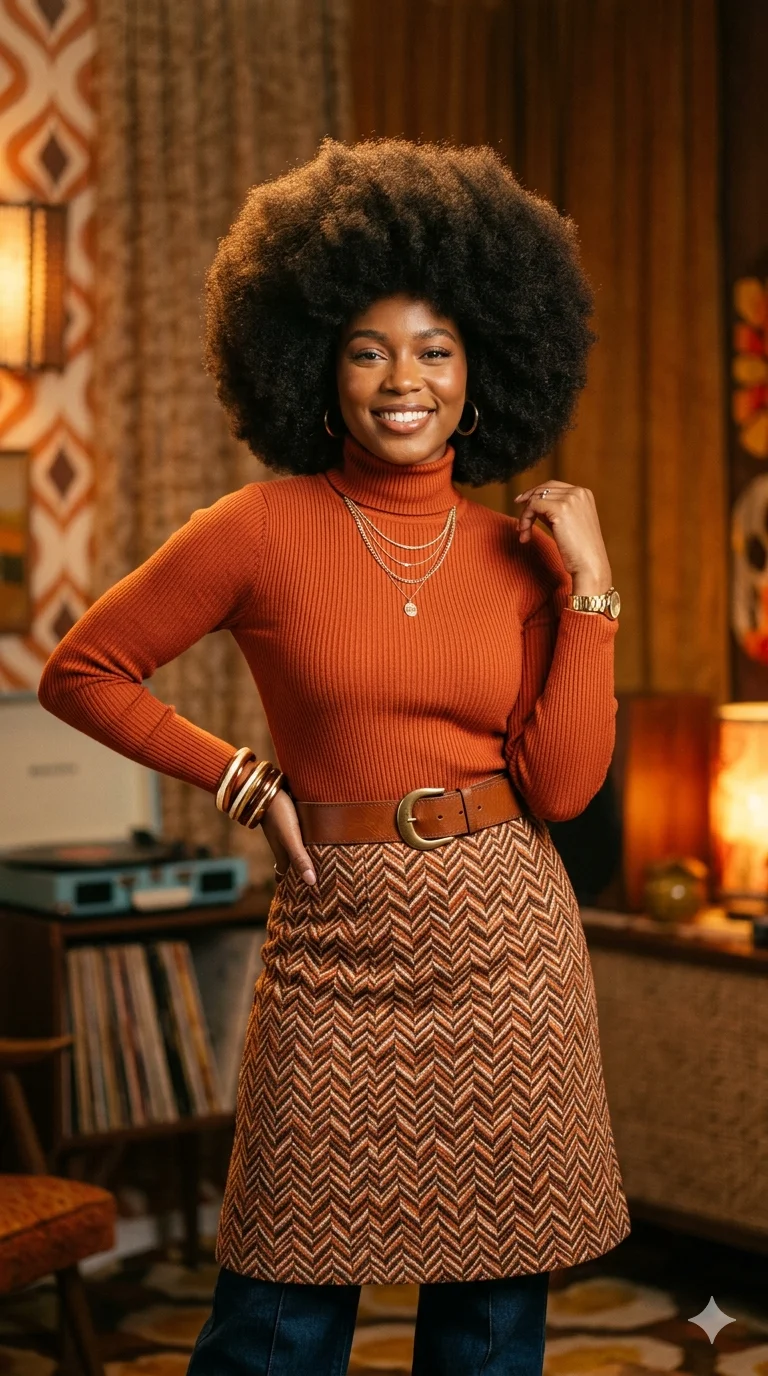
The 70s afro is more than just a hairstyle—it’s a cultural icon that still turns heads decades later. Full, bold, and unapologetically natural, it represented confidence and identity at a time when embracing natural hair was a powerful statement.
Today, the 70s afro is making a strong comeback, not just as a nostalgic trend but as a celebration of natural texture. People are rediscovering its beauty, versatility, and meaning in modern fashion.
What Exactly Is a 70s Afro?
The 70s afro is a rounded, voluminous hairstyle created by growing natural curly or coily hair outward instead of straightening or flattening it. The goal is not precision but shape—soft, full, and balanced.
Unlike heavily styled modern looks, the afro focuses on natural structure. It embraces shrinkage, texture, and volume, turning them into its biggest strengths.
The Cultural Meaning Behind the Afro
A Symbol of Pride
During the 1970s, the afro became a symbol of empowerment and cultural pride. It represented a rejection of restrictive beauty standards.
A Statement of Identity
Wearing an afro wasn’t just about fashion—it was about embracing natural identity without compromise.
Influence on Modern Style
Even today, designers, stylists, and influencers draw inspiration from the afro’s bold silhouette.
Key Features of a Classic 70s Afro
Maximum Volume
The afro is all about fullness. The hair is shaped outward to create a cloud-like effect.
Rounded Shape
A well-formed afro has a balanced, circular silhouette that frames the face naturally.
Natural Texture
No chemical straightening or heavy manipulation—just natural curls in their pure form.
Soft Definition
Despite its volume, the afro maintains softness and movement.
How to Create a 70s Afro Look
Step 1: Start With Clean Hair
Healthy hair is the foundation. A gentle shampoo and moisturizing conditioner are essential.
Step 2: Hydrate Properly
Moisture helps define curls and prevents dryness that can break the shape.
Step 3: Detangle Carefully
Use fingers or a wide-tooth comb to avoid disrupting the curl pattern.
Step 4: Shape With an Afro Pick
Lift the roots gently to build volume and form the rounded silhouette.
Step 5: Sculpt the Outline
Trim or shape the ends lightly to maintain balance.
Tools That Make a Difference
Afro Pick
Essential for lifting and shaping without flattening curls.
Wide-Tooth Comb
Helps detangle without breakage.
Moisturizing Creams
Keep hair soft and manageable.
Light Oils
Add shine without weighing hair down.
70s Afro vs Modern Natural Styles
| Feature | 70s Afro Style | Modern Natural Hair Styles |
|---|---|---|
| Shape | Bold, rounded | Varied and flexible |
| Volume | Maximum emphasis | Controlled volume |
| Styling Approach | Minimal manipulation | Mixed techniques |
| Texture Focus | Fully natural | Defined curls or mixed looks |
| Cultural Meaning | Strong identity statement | Personal expression |
This comparison shows how the afro has evolved. The 70s version focused on volume and identity, while modern styles mix creativity with structure.
Common Mistakes to Avoid
Over-Styling
Too much manipulation can flatten the natural volume.
Skipping Moisture
Dry hair loses shape and becomes harder to manage.
Using Heavy Products
Thick products can weigh down curls and reduce bounce.
Ignoring Shape Maintenance
Without occasional shaping, the afro can lose its balance.
How to Maintain a Healthy Afro
Keep Hair Moisturized
Hydration is key to maintaining softness and elasticity.
Protect Hair at Night
Use a satin scarf or pillowcase to reduce friction.
Refresh Shape Regularly
Light picking helps maintain volume and structure.
Avoid Excess Heat
Heat can weaken the natural curl pattern over time.
Styling Variations of the Afro
Classic Full Afro
The traditional rounded shape with maximum volume.
Tapered Afro
Shorter sides with a fuller top for a modern twist.
Defined Afro
Slightly more curl definition while keeping volume intact.
Accessorized Afro
Adding bands or clips for a personalized look.
Why the 70s Afro Is Back in Style
Fashion always cycles back, but the afro’s return is deeper than just trend revival. It reflects a growing appreciation for natural beauty and authenticity.
People today want styles that feel real, expressive, and low-chemical. The afro fits perfectly into this mindset, offering both beauty and meaning.
Who Can Wear a 70s Afro?
The afro works best with naturally curly or coily hair types. However, variations of the style can be adapted depending on texture and length.
The key is working with your natural hair instead of against it.
Maintenance Routine for Best Results
Daily Care
Light moisturizing and gentle shaping.
Weekly Care
Deep conditioning to maintain hydration.
Monthly Care
Trimming to keep the shape even and healthy.
The Emotional Power of the Afro
The afro is not just about appearance—it carries emotional and cultural weight. It represents confidence, freedom, and acceptance of natural identity.
For many, wearing an afro is a reminder to embrace who they are without compromise.
FAQs About 70s Afro
1. What is a 70s afro hairstyle?Read more:Cathlyn Hartanesthy Age 2026: Amazing Facts Revealed
It is a natural, rounded hairstyle characterized by volume and texture, popular in the 1970s.
2. Is the afro still popular today?
Yes, it has made a strong comeback as people embrace natural hair textures.
3. How do you maintain an afro?
Moisturizing, gentle shaping, and protective styling are key.
4. Can straight hair be turned into an afro?
Not naturally, but styling techniques can create similar volume temporarily.
5. What makes the 70s afro special?
Its cultural significance, bold volume, and celebration of natural beauty.
Final Thoughts
The 70s afro is more than a hairstyle—it’s a legacy of confidence and self-expression. Its bold shape and natural texture continue to inspire modern fashion while staying rooted in cultural identity.
What makes it truly timeless is its simplicity. No complicated techniques, no forced styling—just natural hair, shaped with care and pride.
Even today, the afro stands as a reminder that beauty doesn’t need to be changed—it just needs to be embraced.