
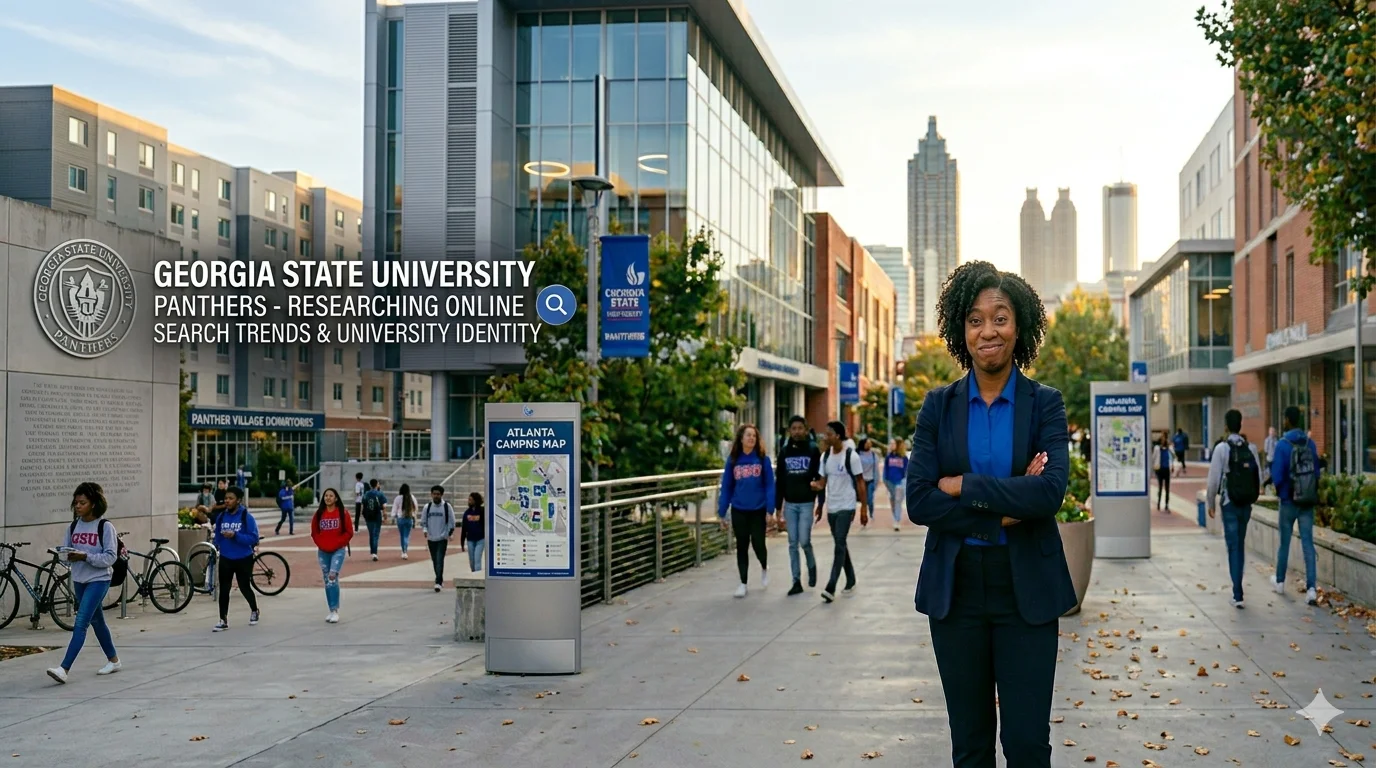
The keyword “Shawn Jackson GSU” has started attracting attention online because it combines a personal name with a recognized university abbreviation. In most cases, “GSU” refers to Georgia State University, a major public research university known for academics, athletics, and community engagement. When users search this phrase, they are usually looking for professional, academic, athletic, or institutional information connected to someone named Shawn Jackson.
Searches like this may seem small compared to broader trending topics, but they reveal something important about modern internet behavior. People now search for individuals just as often as they search for companies or products. Whether it’s for networking, research, education, or curiosity, name-based searches have become a major part of online discovery.
This article explores what the keyword means, why people search for it, how these searches work, and why informational content around university-related identities continues to grow online.
Understanding the Meaning of Shawn Jackson GSU
The keyword itself is straightforward. It combines:
- A personal name: Shawn Jackson
- An institutional identifier: GSU
This suggests users are trying to connect the individual with a university or organization associated with those initials. In online search behavior, this usually indicates informational intent rather than transactional intent.
People are not searching to buy something. Instead, they want answers, background details, or context.
What Users May Be Looking For
Different users can have different goals behind the same search query.
| Search Purpose | Possible User Intent |
|---|---|
| Academic Interest | Looking for faculty or educational information |
| Athletics | Searching for sports-related involvement |
| Professional Research | Learning about career background |
| Networking | Finding public or institutional profiles |
| Verification | Confirming identity or affiliation |
This table reflects how name-based university searches often work online. A single keyword can represent multiple layers of curiosity.
Why GSU Searches Generate Attention
Universities naturally attract online visibility because they are connected to education, careers, sports, leadership, and research.
The Influence of Georgia State University
Read more:Bradley Leinhardt: Powerful Career & Web3 Journey
Georgia State University is one of the most recognized public universities in the United States. It has a strong presence in:
- Higher education
- Student programs
- Research initiatives
- Athletics
- Community projects
- Professional networking
Because of this, searches involving the university often appear in search engine results.
When a personal name is connected with a recognized institution, people naturally become curious.
How Name-Based Search Queries Work
Search engines analyze user intent carefully. A search like “Shawn Jackson GSU” is categorized differently from commercial or shopping-based keywords.
Informational Search Intent
Informational searches are designed to answer questions such as:
- Who is this person?
- What is their role?
- What is their connection to GSU?
- Are they part of academics, athletics, or administration?
- Is there public information available?
Search engines attempt to match these questions with the most relevant pages.
The Rise of Identity-Based Searches
Years ago, internet searches mostly focused on businesses or entertainment topics. Today, personal identity searches have become common.
Why This Trend Is Growing
Several factors contribute to this shift:
Online Networking
Professional networking now happens online more than ever before.
University Visibility
Educational institutions publish profiles, announcements, and public achievements regularly.
Social Media Influence
Mentions on social platforms often increase search interest.
Digital Credibility
People verify identities online before making connections or decisions.
This is why person-based keywords continue growing in popularity.
Why People Search University-Related Names
University environments create strong public visibility because they involve large communities.
Common Areas Connected to University Searches
| Area | Reason for Interest |
|---|---|
| Faculty | Academic expertise and teaching |
| Athletics | Team participation and sports news |
| Administration | Leadership and institutional roles |
| Alumni | Career achievements and recognition |
| Research | Published studies and contributions |
Searches like “Shawn Jackson GSU” may fit into any of these categories.
The Human Curiosity Behind Search Behavior
Many online searches are driven by simple curiosity. Someone may hear a name during:
- A university event
- A sports discussion
- A professional meeting
- A conference
- A social media conversation
The next step is usually a quick online search.
This behavior explains why even low-volume keywords can attract consistent attention.
How Search Engines Understand Personal Queries
Search engines now use advanced systems to interpret names, locations, organizations, and relationships.
Context Matters
Without “GSU,” the search for Shawn Jackson might return broad or unrelated results. The addition of the university abbreviation helps narrow the focus.
This improves:
- Search relevance
- Accuracy
- User satisfaction
- Information matching
Search engines prefer contextual searches because they reduce confusion.
The Connection Between Universities and Online Authority
Universities hold strong authority online because they are trusted institutions. Pages connected to educational organizations often rank well in search engines.
Why Institutional Pages Perform Strongly
High Credibility
University domains are considered trustworthy.
Frequent Updates
Educational sites publish news and profiles regularly.
Strong Backlink Networks
Academic websites receive links from other trusted sources.
Public Accessibility
Most institutional information is available publicly.
Because of these factors, searches involving universities often gain visibility quickly.
Why Informational Blogs Still Matter
Even though search engines provide quick answers, users still prefer detailed explanations when they want context.
An informational blog works well because it:
- Explains the keyword clearly
- Answers common questions
- Adds context
- Improves readability
- Organizes information logically
This type of content is especially effective for niche searches.
The Power of Curiosity-Driven Content
Curiosity is one of the biggest drivers of online clicks.
A keyword like “Shawn Jackson GSU” naturally creates questions:
- Who is this person?
- Why are people searching this term?
- What is the connection with GSU?
- Is there academic or athletic relevance?
The more curiosity a keyword generates, the higher its engagement potential becomes.
Why CTR-Friendly Titles Work
Strong titles create emotional interest without misleading readers.
Words like:
- Powerful
- Revealed
- Important
- Surprising
- Amazing
help increase attention because they promise useful information.
That is why the title “Powerful Facts About Shawn Jackson GSU” works effectively for informational readers.
Digital Identity in the Modern Internet Era
The internet has transformed how identities are discovered. Years ago, learning about someone often required direct contact or offline research. Today, everything begins with a search engine.
Modern Digital Footprints Include
- University profiles
- Professional pages
- Public achievements
- Academic mentions
- Sports participation
- Community involvement
Even a small online presence can generate ongoing search traffic.
Can This Keyword Bring Organic Traffic?
Yes, although the traffic may be targeted rather than massive.
Benefits of Targeted Informational Keywords
Lower Competition
Smaller keywords often face less SEO competition.
Focused Audience
Visitors are usually genuinely interested.
Better Engagement
Targeted readers spend more time on-page.
Long-Term Search Value
Identity searches can remain relevant for years.
This makes niche informational keywords useful for authority-building websites.
Challenges With Person-Based Keywords
Not every keyword has unlimited information available. Some challenges include:
Limited Public Data
There may not be extensive information available online.
Search Variations
Users may type the keyword differently.
Context Uncertainty
The exact search intent may vary between users.
Still, informational content can perform well if it remains useful and easy to read.
The Future of Educational Search Trends
Educational institutions continue expanding their online visibility. This means university-connected searches are likely to increase over time.
Trends Supporting Future Growth
| Trend | Impact |
|---|---|
| Digital Networking | More online profile searches |
| Educational Transparency | Increased public information |
| AI Search Systems | Better identity recognition |
| Mobile Search Growth | Faster access to personal searches |
These trends show why informational university-related content remains relevant.
Frequently Asked Questions
What does “Shawn Jackson GSU” mean?
It is likely a search query related to a person named Shawn Jackson connected with Georgia State University.
Is this keyword informational or commercial?
This is primarily an informational keyword because users are searching for details, not products or services.
Why do people search university-related names?
People often search university-related names for academic, professional, networking, or athletic information.
Can small keywords generate traffic?
Yes. Even low-volume keywords can attract highly targeted visitors who are genuinely interested in the topic.
Is GSU commonly associated with Georgia State University?
Yes. In many online contexts, GSU commonly refers to Georgia State University.
Are informational blogs still effective today?
Absolutely. Well-structured informational content continues to perform strongly because users still want detailed explanations and context.
Final Thoughts
The keyword “Shawn Jackson GSU” reflects the growing importance of identity-based online searches. Users today rely heavily on search engines to learn about professionals, academics, athletes, and institutional connections.
Although this keyword may not generate massive search volume, it carries strong informational intent. That makes it valuable for blogs focused on education, university topics, digital identity, or professional information.
The most effective approach is to keep the content natural, clear, and genuinely helpful. Readers respond best to articles that feel authentic and informative rather than overly optimized or robotic.
As search engines continue evolving, curiosity-driven informational content connected to universities and public identities will likely remain an important part of online search behavior.