
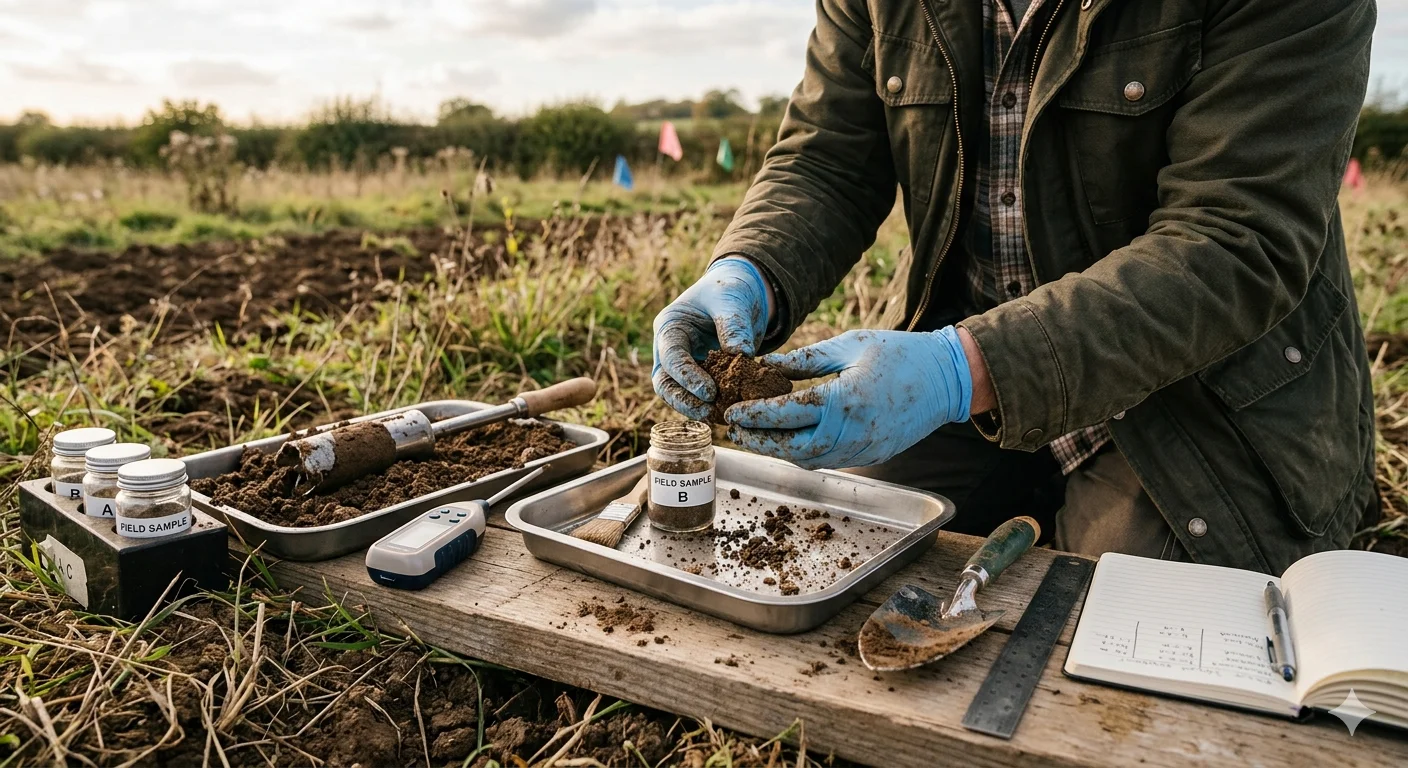
Why This Unusual Keyword Is Getting Attention
Every now and then, a keyword pops up that feels oddly specific—almost like a fragment of a bigger story. “Taylor Ommen soil” is one of those. It doesn’t sound like a typical search phrase, yet it’s intriguing enough to make people click.
At first glance, it appears to connect a person—Taylor Ommen—with something related to soil, land, or environmental work. But the real value of this topic isn’t just in identifying a person; it’s in understanding what kind of work, research, or influence might be behind the phrase.
This article breaks it down in a clear, practical way—no fluff, no assumptions that don’t make sense.
Understanding the Meaning Behind “Taylor Ommen Soil”
Let’s start with the obvious: this is not a mainstream keyword. It’s niche, and likely tied to one of the following:
- A researcher or student working with soil science
- A project, case study, or publication
- A local environmental or agricultural initiative
- A data reference indexed online
The keyword itself suggests a connection between a person and soil-related work. In most cases, this kind of search comes from curiosity—someone has seen the name somewhere and wants context.
Why Soil Topics Matter More Than You Think
Before focusing further on the name, it’s worth stepping back and looking at why soil itself is such a big deal.
The Foundation of Everything We Grow
Soil isn’t just dirt. It’s a living system that supports:
- Agriculture
- Water filtration
- Carbon storage
- Ecosystem balance
Without healthy soil, food production becomes unstable, and environmental systems start to break down.
Soil Science Is a Growing Field
Interest in soil-related research has increased in recent years, especially in areas like:
- Sustainable farming
- Climate resilience
- Land restoration
If “Taylor Ommen soil” is tied to research or fieldwork, it likely fits somewhere within these growing areas.
Possible Interpretations of the Keyword
Since there’s limited direct public information, the smart approach is to analyze realistic possibilities.
1. Academic or Research Connection
One strong possibility is that Taylor Ommen is involved in academic work related to soil science. This could include:
- Research papers
- University projects
- Field studies
These types of references often appear in search results even if the individual isn’t widely known.
2. Environmental or Agricultural Project
Another angle is that the keyword relates to a specific project—perhaps something local or community-based.
This might involve:
- Soil testing
- Land improvement initiatives
- Sustainable agriculture programs
Projects like these don’t always get media attention but still show up in digital records.
3. Data or Report Indexing Read more:CheBeauty Reviews: Honest Truth You Must Know
Sometimes keywords exist because of how information is stored online. A name paired with a subject (like soil) could come from:
- Government reports
- Environmental databases
- Research archives
In this case, the keyword reflects how the data is labeled rather than a widely recognized identity.
Key Soil Concepts That Might Be Relevant
To understand any soil-related topic, it helps to know the basics. These concepts often appear in research and practical work.
Soil Composition
Soil is made up of:
- Minerals
- Organic matter
- Water
- Air
The balance of these elements determines how fertile the soil is.
Soil Health
Healthy soil supports plant growth and resists erosion. It depends on:
- Nutrient levels
- Microbial activity
- Structure and texture
Soil Testing
Testing is essential for:
- Measuring pH levels
- Identifying nutrient deficiencies
- Planning agricultural use
If the keyword relates to a project, soil testing is almost certainly part of it.
Quick Overview Table
| Aspect | Details |
|---|---|
| Keyword Type | Niche / Informational |
| Likely Topic | Soil Science / Environmental Work |
| Public Data Level | Very Limited |
| Possible Context | Research, Project, or Data Reference |
| Search Intent | Curiosity / Information Seeking |
This table highlights the nature of the keyword in a practical way. The main takeaway is that “Taylor Ommen soil” is not a broad topic—it’s highly specific and likely tied to a narrow context.
Because of that, the goal isn’t to force a narrative but to understand where it fits. In most cases, keywords like this are entry points into deeper, more technical subjects rather than standalone topics.
Why People Search for Keywords Like This
It’s easy to assume that all searches are intentional, but that’s not always true.
Curiosity-Driven Searches
Someone might:
- See the name in a document
- Come across it in a database
- Notice it in a research reference
And then search just to understand what it means.
Research-Based Queries
Students, researchers, or professionals often search for:
- Specific names linked to studies
- Authors of papers
- Contributors to projects
This type of search is precise and focused.
Challenges of Writing About Niche Keywords
Let’s be honest—topics like this come with limitations.
Limited Verified Information
There’s no guarantee of:
- Public profiles
- Detailed biographies
- Media coverage
That means content has to stay grounded and realistic.
Risk of Over-Interpretation
It’s easy to exaggerate or make assumptions. But doing that reduces credibility.
A better approach is:
- Stick to logical possibilities
- Avoid unsupported claims
- Focus on context, not speculation
How This Topic Still Adds Value
Even with limited data, this kind of keyword can still be useful.
It Captures Untapped Searches
Low competition means:
- Easier ranking potential
- Less crowded content space
It Connects to Broader Topics
From a content perspective, it links naturally to:
- Soil science
- Environmental sustainability
- Agriculture
These are strong, evergreen subjects.
Practical Takeaways
If you’re trying to understand or even use this keyword, here’s what actually matters:
- It’s highly specific, not general
- It likely connects to technical or academic work
- It won’t bring massive traffic, but it can bring targeted visitors
And most importantly, it should be treated as part of a larger content strategy, not the center of it.
FAQs
1. What does “taylor ommen soil” mean?
It appears to connect a person with soil-related work, possibly in research, environmental studies, or data records.
2. Is Taylor Ommen a well-known expert?
There’s no strong public evidence suggesting widespread recognition, which means the keyword is likely niche.
3. Why is this keyword being searched?
Most likely due to curiosity, research needs, or references found in documents or databases.
4. Is this related to soil science?
Yes, the keyword clearly points toward soil-related topics such as research, testing, or environmental work.
5. Can this topic generate traffic?
It can, but the traffic will likely be low and highly targeted rather than broad.
Final Thoughts
The keyword “taylor ommen soil” is a good example of how the internet works beneath the surface. Not every search is about trending topics or viral content—some are about specific, often overlooked details.
And sometimes, those details lead to meaningful areas like environmental science and sustainability.
Even without a clear public profile, Taylor Ommen represents something more important: the kind of work that happens quietly, often unnoticed, but still plays a role in understanding and improving the world around us.
In the end, that’s what makes this topic worth exploring.